


Reconstruct the risk
- Vehicle, driver, and ownership schedules
- DOT authority or rental operating model
- Radius, cargo, territory, and vehicle use
- Current coverage and loss history
 Indem
Indem
AI-native brokerage
Your fleet's data. A stronger case for better-priced insurance. We turn your operating data into evidence that helps insurers understand your risk and consider lower premiums.
Start 24/7. Human support daily.
Small fleets. Big possibilities.
Start here to insure your fleet. Take your business to the moon.
Small fleets. Big possibilities.
Licensed brokerage + AI workflowPrepare a complete submission
Applications reviewed on a rolling basis.
01 / The problem
A small account can require the same schedules, loss runs, applications, operating details, and follow-up as a much larger fleet. Owners rebuild the operation for placement, then rebuild it again at renewal or after a loss.

Our customer discovery
Insights from conversations with fleet owners and brokers
Collecting records, checking details, and chasing missing information take time away from serving the fleet.
Source: Indem founder-led interviews and outreach.
02 / The product
A licensed insurance broker works on your case from start to finish, including recommendations, quotes, placement, and binding. Indem's AI works quietly in the background to reduce paperwork, prevent delays, and keep the process moving.
Share vehicle and rental records, mileage, maintenance, current coverage, and loss history. We identify what is available and what is missing.
AI helps organize your records into a source-linked Risk Passport. Broker review checks gaps and conflicting details before underwriting.
Licensed professionals review available options and handle recommendations, quoting, placement, and binding.
Carry vehicle changes, new operating evidence, and carrier feedback forward so the next submission builds on the last.
The data advantage
We turn your operating data into evidence that helps insurers understand your risk and consider lower premiums. With your permission, we collect the records that show how your fleet is actually run.
Vehicle schedules, rental dates and status, mileage, maintenance, and loss history where available. Missing records stay marked as missing.
AI helps structure the records. Broker review keeps corrections, conflicting values, and evidence gaps visible. No record is not the same as no loss.
Documented controls and operating history give brokers evidence to use when seeking better coverage, terms, and pricing. Insurers still assess the risk and set the premium.
We are building a compounding data advantage: operating evidence linked to broker corrections, carrier feedback, and quote, claim, and renewal outcomes as they become available. Public datasets add context; the account-specific history comes from real operations and insurance work.
Pricing and availability remain subject to underwriting. Savings are not guaranteed.
DOT trucking
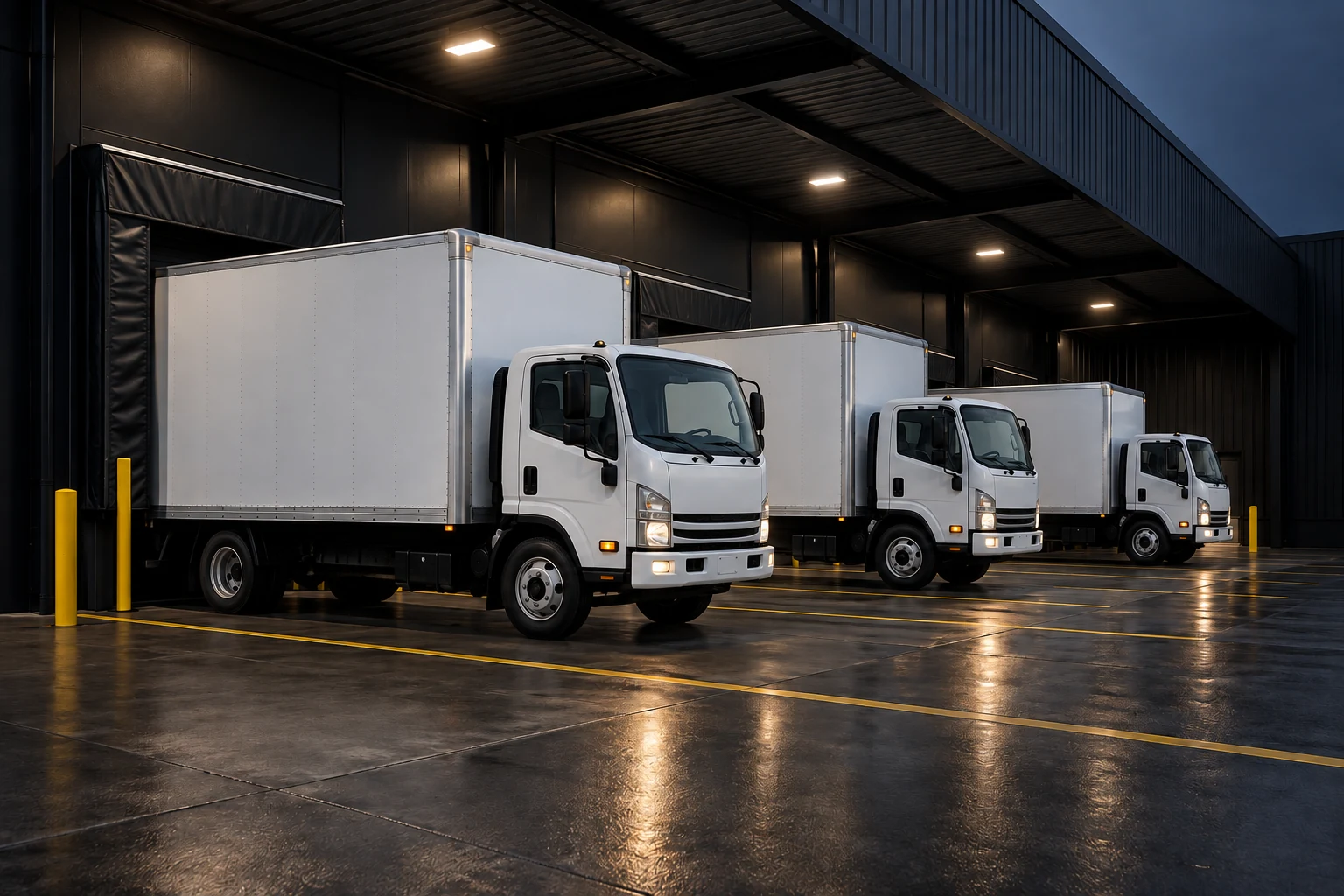
Indem organizes operating authority, vehicle and driver schedules, loss runs, current coverage, cargo, and radius details before a licensed broker approaches available markets.

03 / Continuity
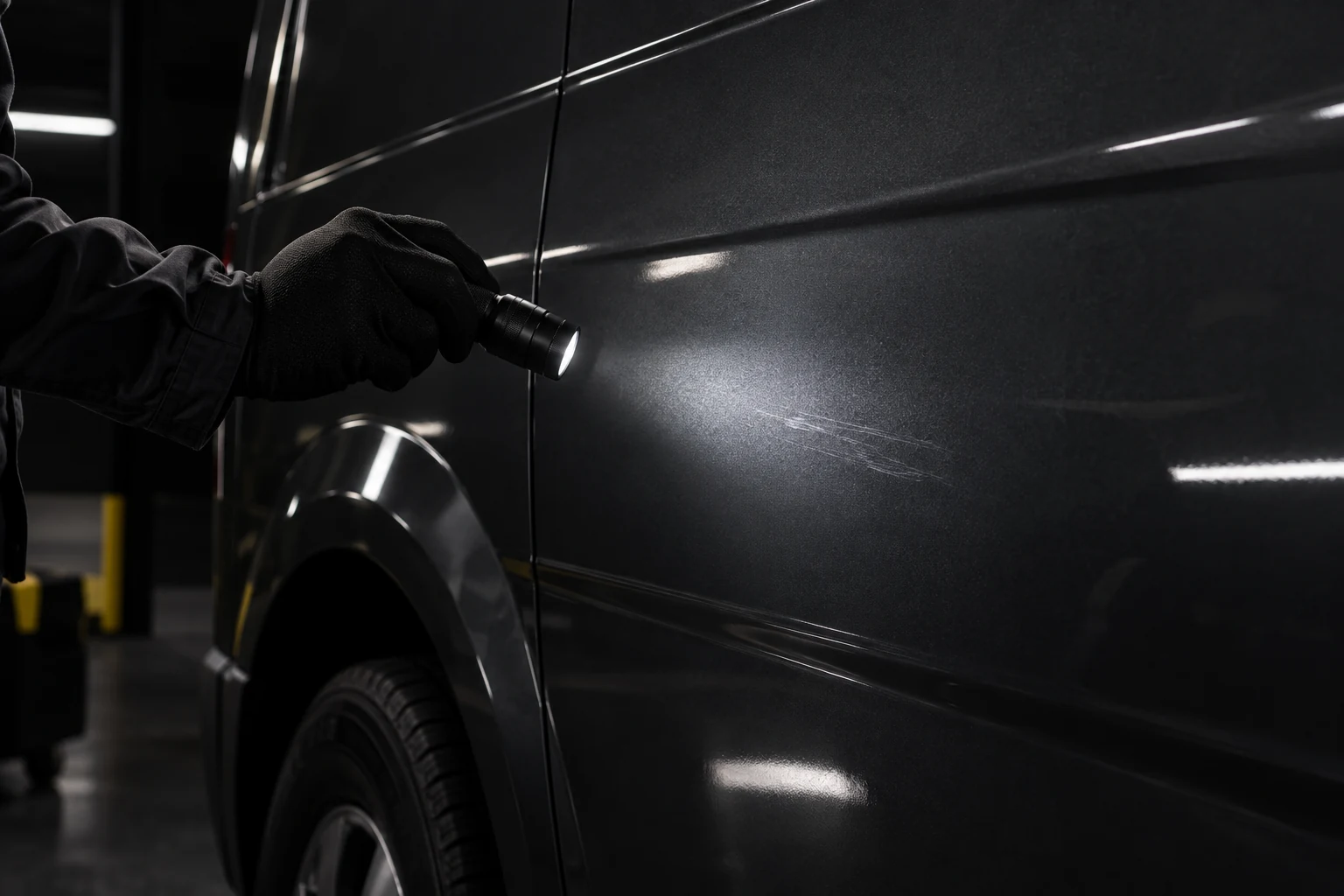
Trucks and rental vehicles move through driver changes, trips, maintenance, certificates, repairs, and losses. Indem preserves those changes so the next request does not begin with a blank folder.
04 / Customer outcome
The exact program depends on the fleet, state, authority, cargo or rental activity, usage, history, and carrier appetite. Indem coordinates available coverage without promising a price or policy before underwriting.
Liability and physical-damage placement structured around how the vehicles are actually used.
Available cargo, trailer, non-trucking, and related options reviewed by licensed professionals.
Vehicle changes, certificates, evidence requests, and open requirements kept in one workflow.
Current records organized for renewal, carriers, and appropriately licensed claims professionals.
A narrow wedge in a large economy
Indem starts with two fragmented fleet classes where specialist knowledge and complete operating records matter: DOT motor carriers and independent vehicle-rental businesses.
Sources: FMCSA 2024 Pocket Guide, U.S. Census Bureau.
Initial operating class
We begin with owner-operators and small fleets managing insurance, compliance, repairs, and claims without an internal risk team.
Start your insurance request 24/7. Tell us about your fleet in about two minutes. Daily support, typically within 5 minutes when online.
Have VINs, policy documents, or driver's-license records ready? Start here, and we will contact you with a secure way to share them.