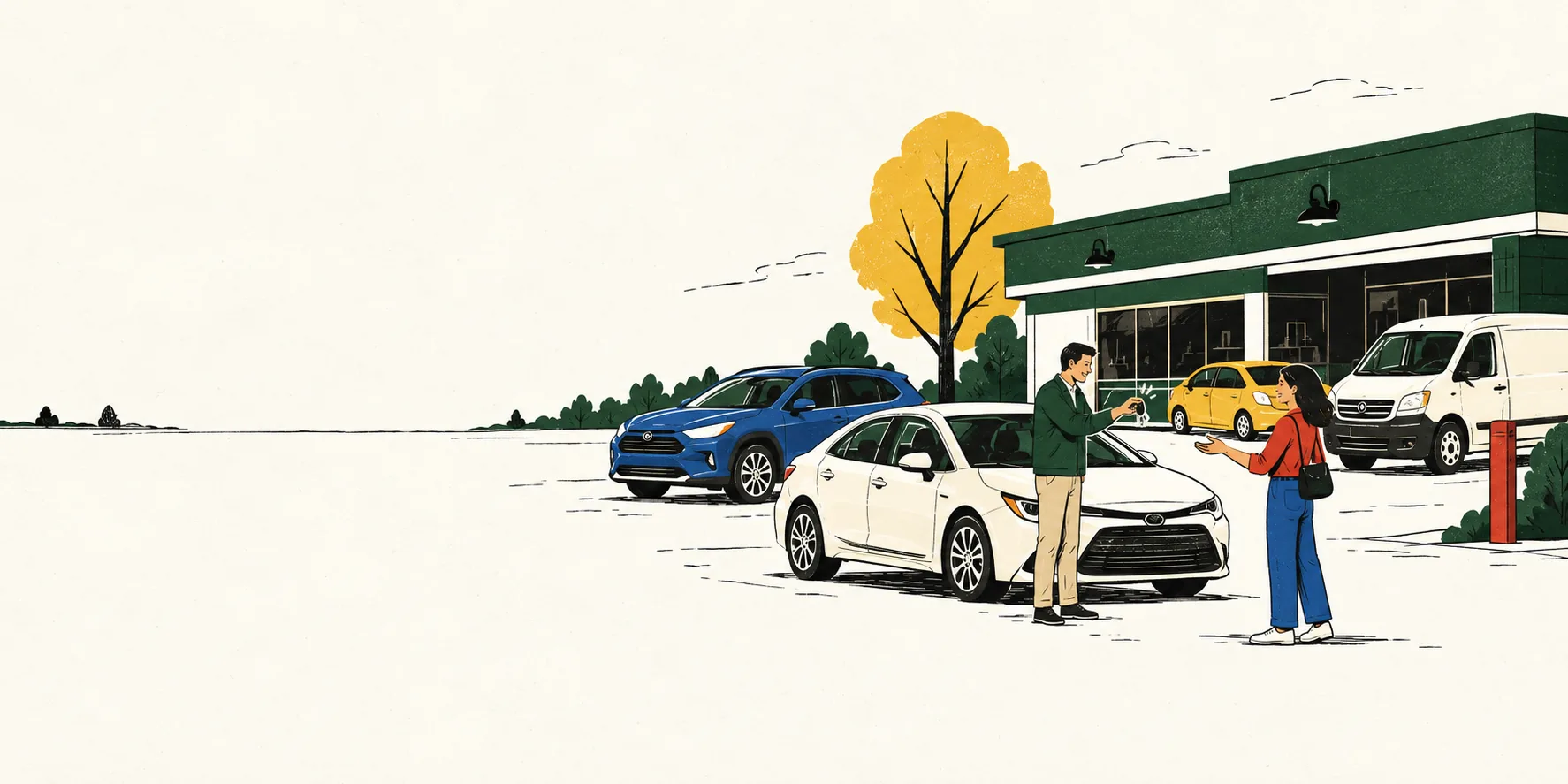
The rental fleet playbook
I went from software engineer to a 30-car rental fleet.
Here is the practical operating playbook behind a business that reached about $500,000 in annual gross rental revenue, including what I would validate before buying the first car.
Before the playbook
Gross revenue is not take-home income.
The fleet pays for vehicles, insurance, repairs, cleaning, parking, payment fees, taxes, downtime, losses, and people. The result above describes one founder's operating history, not a promise, typical outcome, or investment return.
The path from one to thirty
Earn the right to add the next vehicle.
Each stage introduces a different job. Prove demand first, then build the controls that let the fleet grow without multiplying preventable mistakes.
- 01
One vehicle
Prove one rental works.
Learn acquisition, handoff, cleaning, maintenance, collections, and claims before adding complexity. - 02
Three vehicles
Write down the routine.
Standardize screening, agreements, inspections, photos, deposits, mileage, and turnaround. - 03
Ten vehicles
Operate a system, not a side hustle.
Track every vehicle, delegate repeatable work, build vendor relationships, and protect cash reserves. - 04
Thirty vehicles
Scale controls with the fleet.
Centralize insurance records, maintenance, renter history, losses, renewals, and vehicle-level economics.
The operating playbook
Six decisions before fleet scale.
The car is the visible part. The business is the system around demand, risk, evidence, cash, and repeatable operations.
- 01
Choose one customer and one use case
Do not begin with 'anyone who needs a car.' Pick a narrow renter profile, trip pattern, geography, and rental duration you can understand and serve repeatedly.
Write down: who rents, why they rent, how long they keep the vehicle, and where the vehicle travels.
- 02
Buy for economics, not ego
A vehicle is inventory. Compare purchase price, expected daily rate, booked days, financing, depreciation, maintenance, theft exposure, and resale liquidity.
Green light: the conservative case still leaves room for downtime, repairs, and an insurance reserve.
- 03
Set up the business before the first key handoff
Confirm entity, registration, tax, licensing, parking, and rental requirements with qualified local professionals. Keep business money and records separate.
Do not assume that a platform, LLC, or rental agreement replaces local compliance work.
- 04
Solve insurance before accepting a renter
Explain exactly how vehicles are owned, rented, driven, stored, and used. Personal auto or ordinary business-auto coverage may not fit a rental operation.
Have a vehicle schedule, operating territory, renter controls, agreement, current policy, and loss history ready for licensed review.
- 05
Make every handoff evidence-rich
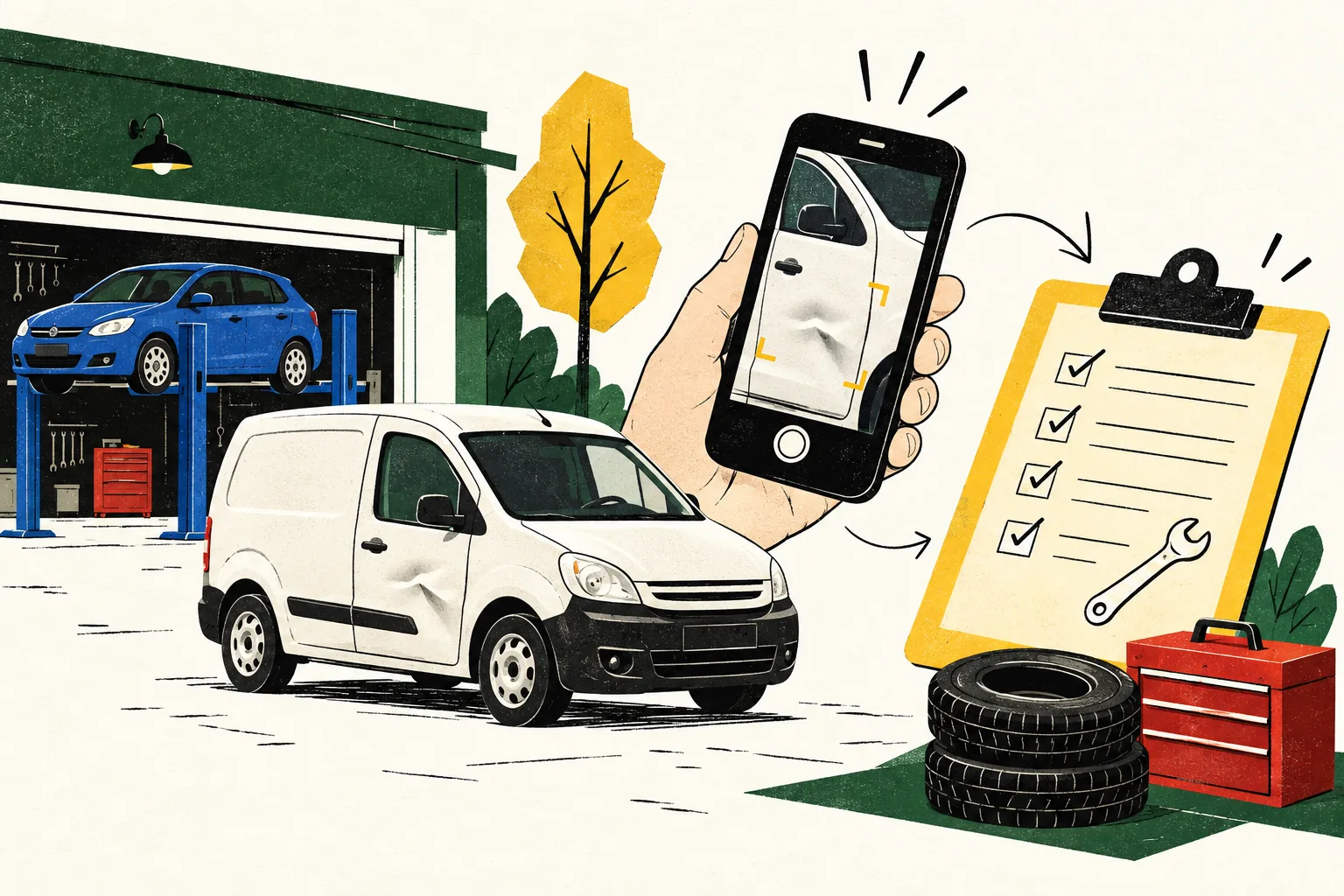
Verify the renter, execute the agreement, document condition, mileage, fuel or charge level, authorized drivers, and return time every single time.
Your process should create a clear record before, during, and after each rental.
- 06
Scale only after the operation is repeatable
Add vehicles when demand, cash, and controls are all ready. Growth magnifies weak screening, deferred maintenance, idle inventory, and unclear insurance.
The next car should enter a working system, not become the reason you finally build one.
The number that matters
Model the downside, not only the headline.
Revenue is rate times utilization times inventory. Survival depends on what remains after the fleet's real costs and reserves.
Run your own numbers
Rental-fleet economics calculator
Test the assumptions before buying the next vehicle. The starting values illustrate how 30 vehicles at $70 per day and 20 rented days per month can produce about $500,000 in annual gross revenue.
- Variable costs
- $60,480
- Operating costs
- $198,000
- Debt or replacement reserve
- $126,000
This is a planning model, not a profit forecast. Add your actual insurance, taxes, claims, downtime, platform or payment fees, payroll, and local compliance costs before making a decision.
Before vehicle number two
Eight green lights.
- A specific renter profile and acquisition channel
- Conservative vehicle-level economics
- A written rental agreement reviewed for your operation
- A repeatable license and renter-screening process
- Commercial insurance reviewed for the actual rental use
- Pre-rental and post-rental inspection evidence
- Maintenance, cleaning, parking, and recovery partners
- Cash reserves for deductibles, downtime, and repairs
Insurance starts with the operation
Build the file before you need the quote.
Rental fleets are evaluated on more than a vehicle count. A licensed professional needs a clear picture of ownership, use, renter controls, territory, agreements, and losses.
Your starter insurance file
Collect what exists. Missing items can be identified during review.
- Business name, entity, address, and operating history
- Every vehicle's VIN, year, make, model, mileage, and value
- Ownership or financing information
- Rental channels, duration, territory, and intended vehicle use
- Renter and authorized-driver screening procedures
- Current policy and declaration pages, if any
- Rental agreement and vehicle inspection process
- Available loss runs and explanations of prior claims
Building a rental fleet?
Make insurance part of the first plan.
Tell Indem how the vehicles will operate. We will help organize the risk for review by appropriately licensed insurance professionals.